Creating extra storage space from height
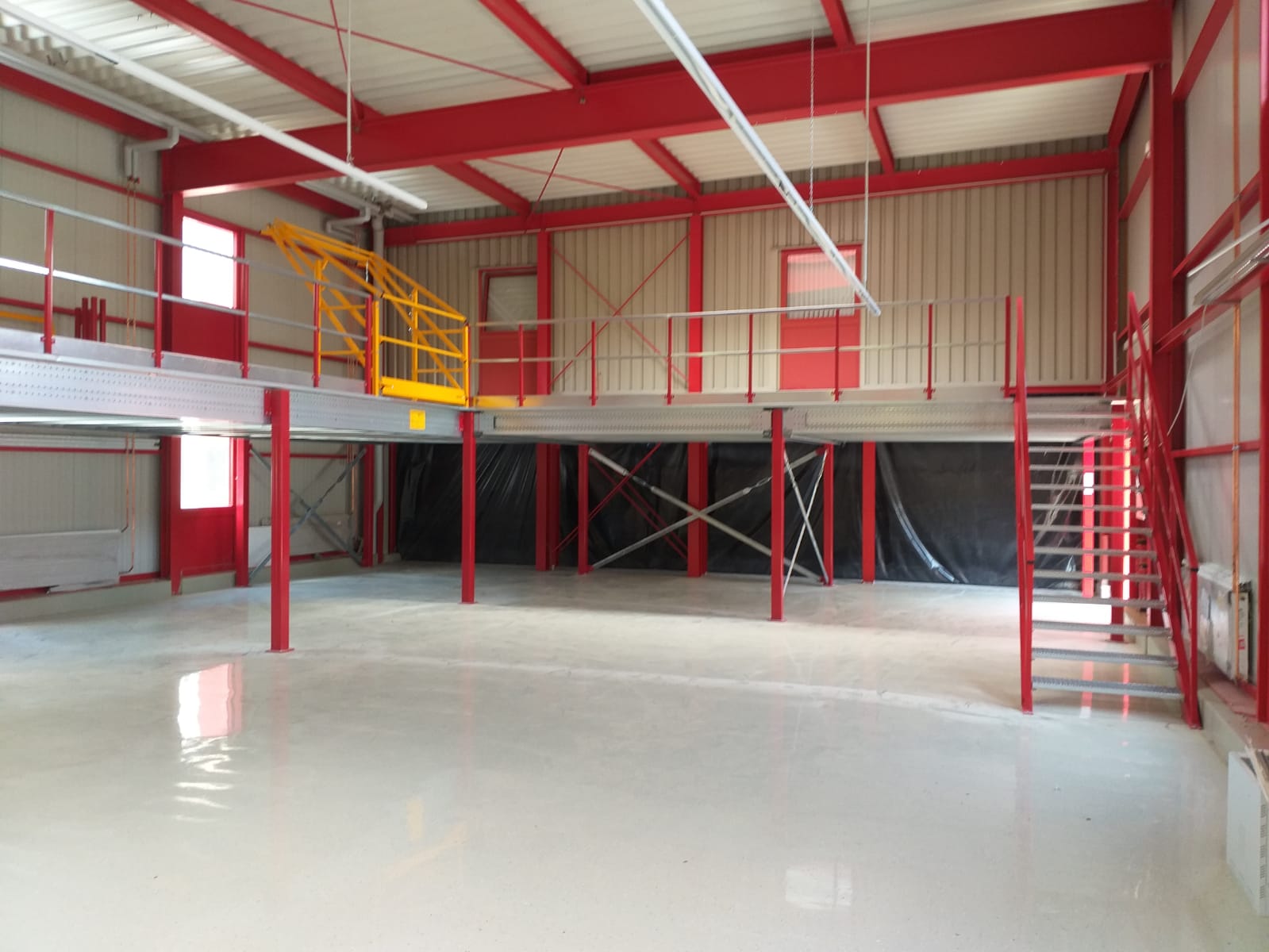
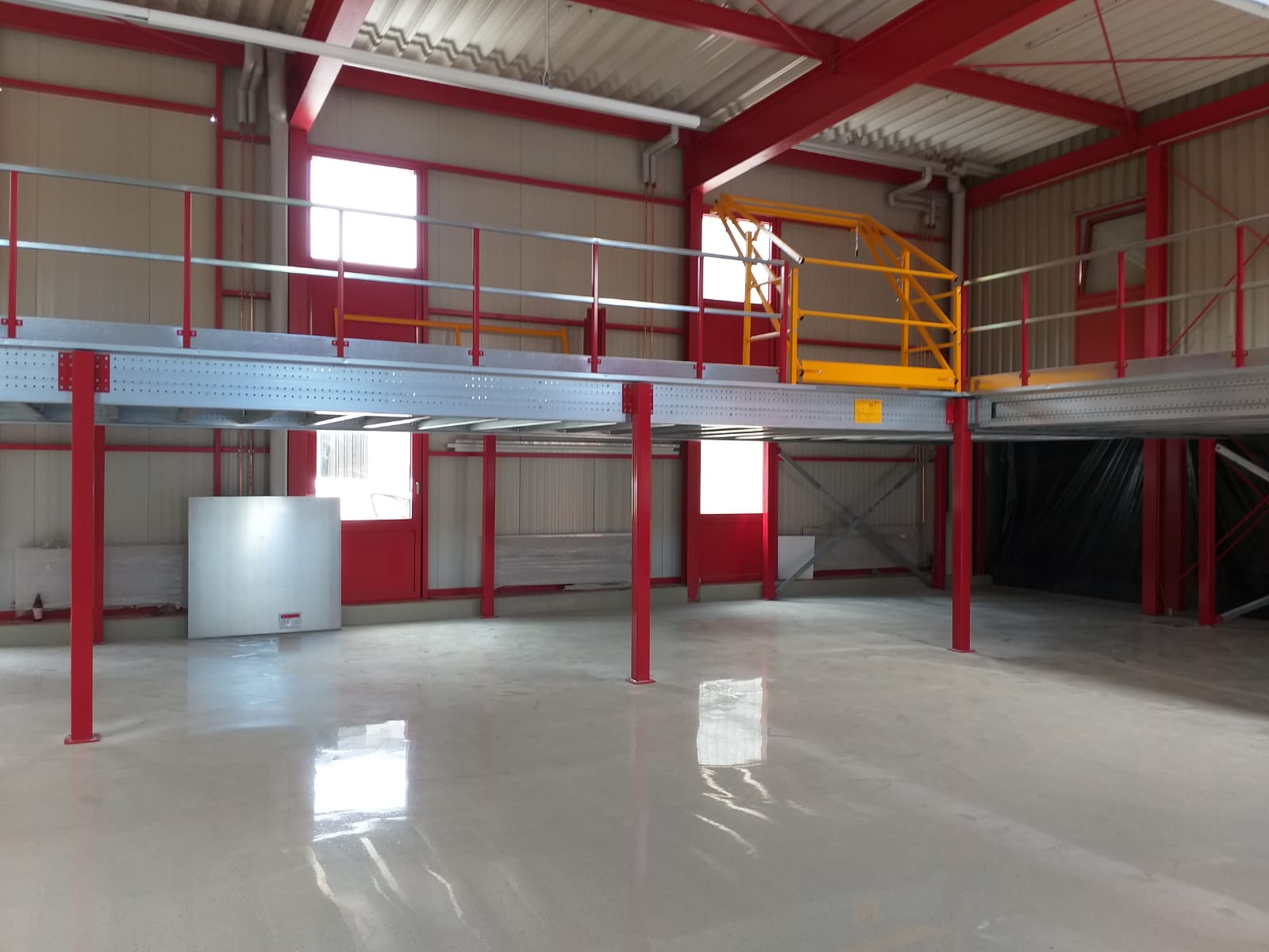
Many businesses experience a lack of space, especially when a warehouse, production hall or storage facility grows. Instead of relocating or extending the building, you can make smart use of the vertical space you already have. By installing a mezzanine floor, you utilise the clear height of your building and create additional storage or workspace without increasing the footprint.
Why using height is a smart decision
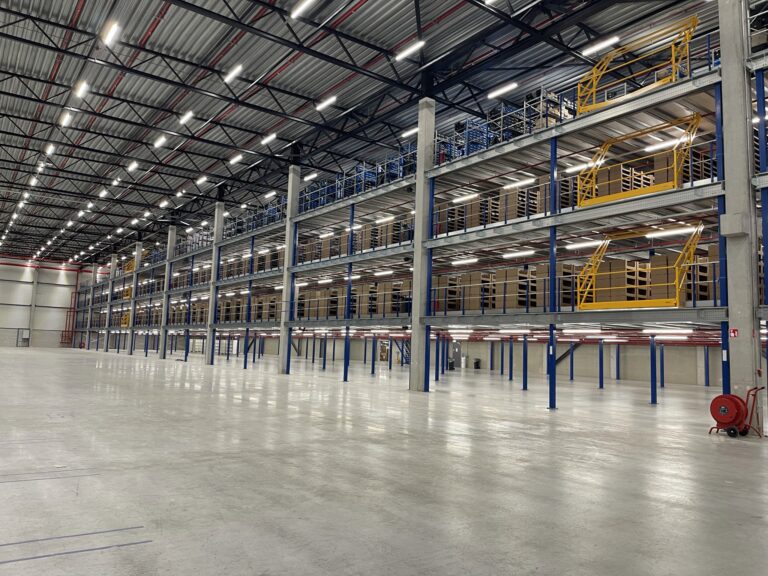
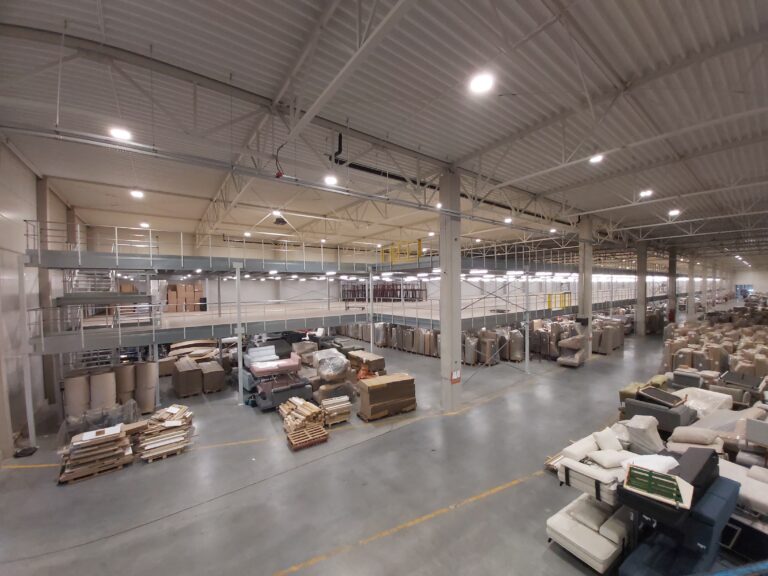
Many commercial buildings have significant clear height that remains unused. By taking advantage of this space, you practically double the usable floor area without expanding the building. This means lower costs and less disruption to your operations compared to refurbishment or relocation. An additional level can serve as storage space, an order picking zone or a working platform. You therefore generate more value from the premises you already own.
When is a mezzanine floor the right solution
A mezzanine floor is suitable when your building has sufficient clear height and the existing structure allows expansion. Vertical expansion is often more efficient than relocating when:
- Your stock is growing and additional storage space is required
- Order volumes are increasing and logistics processes are under pressure
- You want to create additional workspace without structural alterations
- You want to combine multiple functions such as storage and order picking
The solution fits a wide range of environments, from warehouses to offices. The structure can be modular and tailored to your specific application.
Step 1: determine the function of your additional storage space
Clearly define the purpose of the new level. Will it be used for pallet storage, bulk goods, a production platform or an order picking zone to improve logistical efficiency? The function determines the load-bearing capacity, accessibility and layout. By defining this in advance, you prevent later adjustments and ensure the design supports daily operations.
Step 2: check load capacity and technical specifications
Not every floor is identical. The load capacity must match the intended use. Light applications require a different construction than heavy pallet racking or machinery. It is therefore important to understand the load-bearing capacity of a mezzanine floor.
By carefully analysing technical requirements in advance, you ensure safety and prevent overloading. Specialist advice helps to find the right balance between efficient material use and structural safety.
Step 3: include safety and regulations in the design
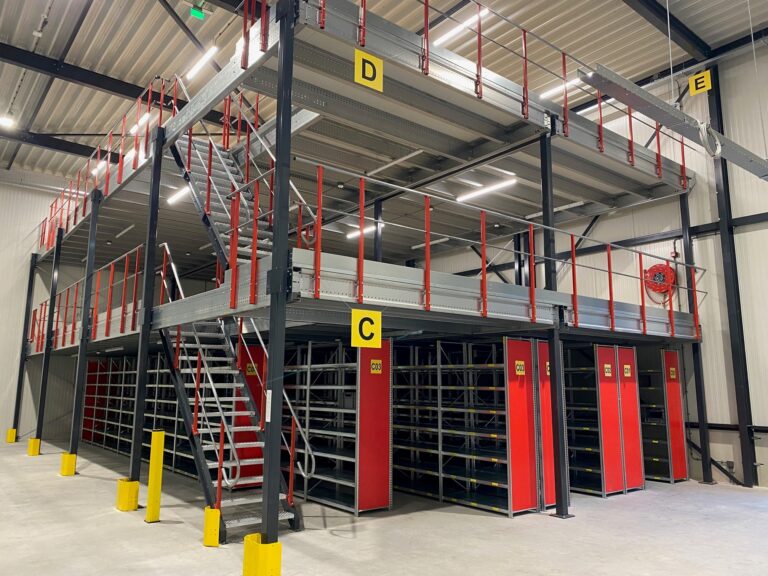
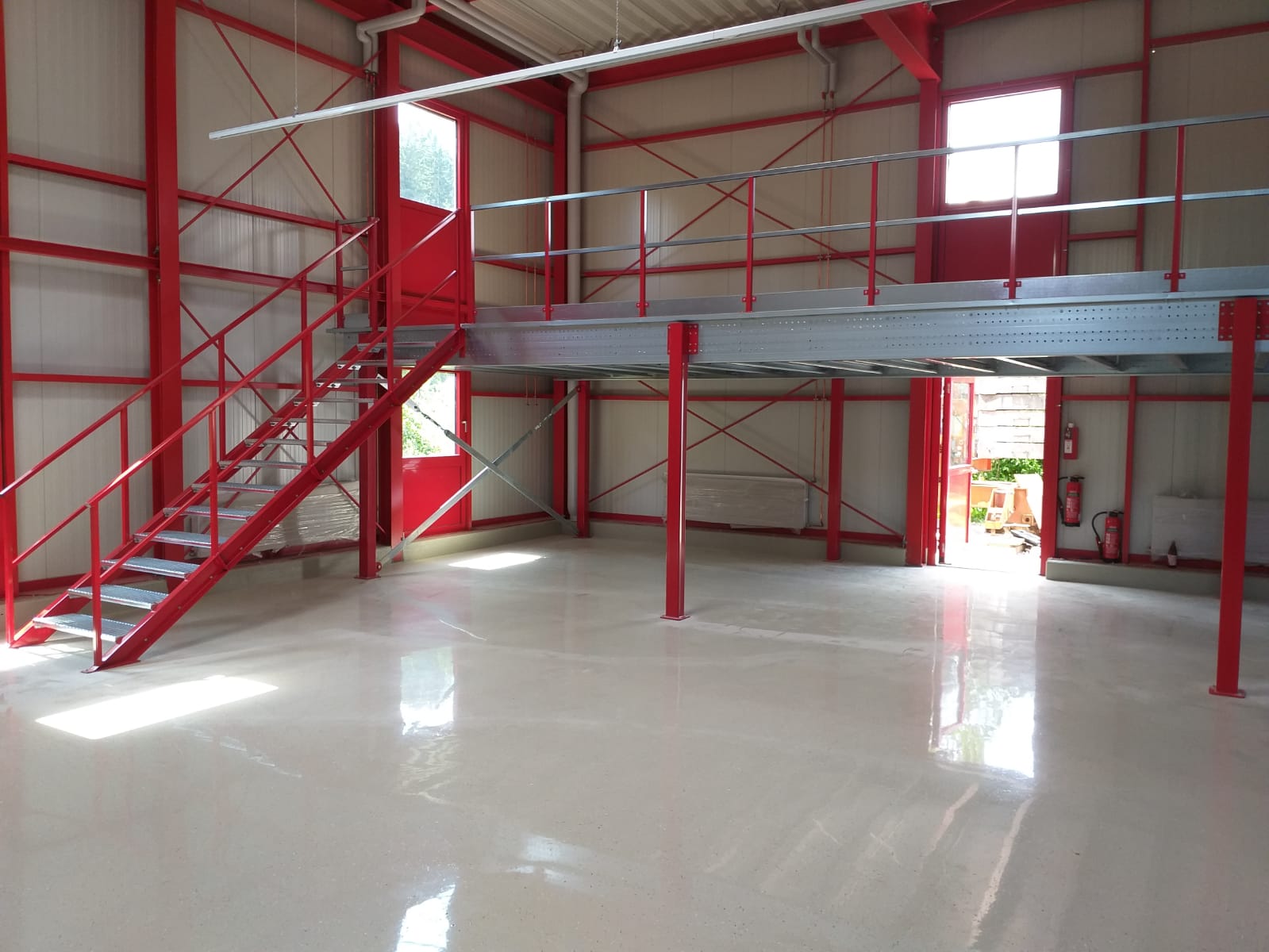
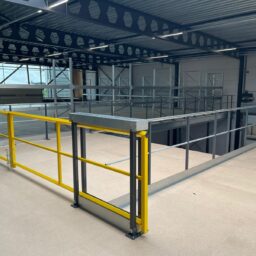
Safety is a fundamental requirement for any mezzanine floor. Consider sturdy staircases and handrails for safe access, pallet gates for moving goods and clearly defined emergency exits. The construction must comply with applicable standards. By integrating safety from the outset, you avoid delays and create a secure working environment.
Step 4: design with future growth in mind
Businesses rarely stand still. One of the key advantages of mezzanine floors is that they can be extended. By considering future growth during the design phase, you can add extra surface area or additional levels later. This ensures your solution grows alongside your organisation.
Smart layout increases logistical efficiency
Additional space only delivers value when the layout is well designed. Analyse your logistics processes carefully: how do employees and machinery move through the space, where are goods stored and how much manoeuvring space is required for forklifts? By shortening walking routes and organising storage logically, you increase productivity and make optimal use of the additional square metres.
Applications by sector
Mezzanine floors are used in various sectors. Examples include:
- Retail: additional in-store storage space for more efficient stock management without expanding the building.
- E-commerce: warehouse optimisation for faster order picking and handling increasing volumes.
- Office environments: additional workspace or archive space without changing the existing layout.
- Storage and logistics: maximum pallet and bulk storage by creating extra levels.
- Self-storage: expanding storage units through vertical layout.
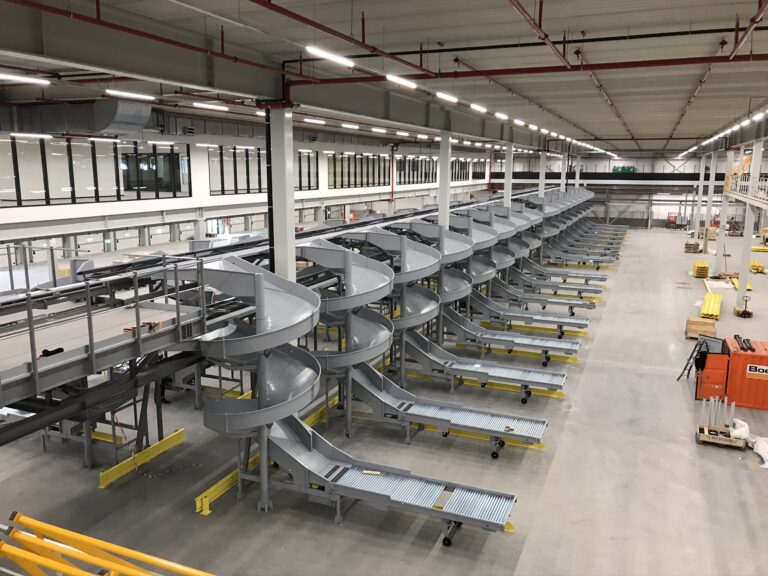
- System integration: efficient placement of equipment and components while maintaining accessibility.
How Nolte Mezzanine works
At Nolte Mezzanine, each project is guided from consultation to completion. During the intake, requirements and technical specifications are mapped out. A tailored design is then developed to suit your space and application. Production and installation are carried out by a team of more than 30 specialists. With over 20 years of experience and projects in 12 countries across 8 sectors, Nolte Mezzanine has broad practical expertise to deliver professional solutions in diverse environments.
Make optimal use of your building’s height
A mezzanine floor is a practical solution for growing organisations that want to optimise their existing premises. With a well-considered design and specialist advice, you create additional storage or workspace without major structural work. Would you like to know what is possible in your situation? Request a consultation or quotation and discover how to strategically use your building’s height.
Recently completed projects
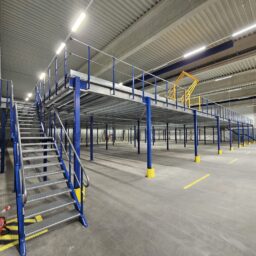
Over the years, at Nolte Mezzanine, we have had the privilege of delivering many impressive projects. These range in size, type of flooring, and result in very diverse outcomes. In other words, we know exactly what is possible. Explore our projects and discover for yourself!
Frequently asked questions about creating extra storage space
How much weight can a mezzanine floor support?
The load capacity varies per design. Light applications require less capacity than heavy pallet storage or machinery. A specialist calculates the appropriate structure for your specific situation.
Is a permit required for a mezzanine floor?
This depends on the size of the floor and local regulations. In some cases no permit is required, in others it is mandatory. A specialist can assess this in advance.
How long does installation take?
Installation time depends on the size and complexity of the project. Many mezzanine floors can be installed within a few days to several weeks with minimal disruption.
Can a mezzanine floor be extended later?
Yes. Many systems are modular, which makes future expansion in surface area or additional levels possible as your business grows.